The Isagenix 9‑Day Cleanse PDF offers a concise guide to reset your body‚ detailing daily routines‚ meal plans‚ and hydration tips. It explains the science behind detox‚ outlines expected benefits‚ and provides a clear roadmap for beginners seeking a fresh start. Follow the PDF for daily check‑ins and progress.!
1.1 What Is the Cleanse and Its Goals
The Isagenix 9‑Day Cleanse is a structured‚ short‑term program designed to reboot the body’s metabolic processes. By combining a low‑calorie‚ protein‑rich diet with targeted supplements‚ the cleanse aims to eliminate accumulated toxins‚ reduce inflammation‚ and reset appetite signals. Participants follow a daily schedule that includes specific meal plans‚ hydration guidelines‚ and gentle exercise routines. The primary objectives are to boost energy levels‚ promote clearer skin‚ and create a sustainable foundation for long‑term weight management. Additionally‚ the cleanse supports mental clarity by reducing cravings and stabilizing blood sugar. The PDF guide provides step‑by‑step instructions‚ a nutrient‑dense recipe list‚ and motivational tips to keep users on track. By the end of the nine days‚ many report increased vitality‚ improved digestion‚ and a renewed sense of control over their health habits. The program’s evidence‑based approach encourages users to adopt healthier eating patterns beyond the cleanse‚ fostering lasting lifestyle changes. The cleanse also emphasizes mindful eating practices‚ encouraging participants to pay attention to hunger cues and to savor each bite. The supplement stack typically includes a protein powder‚ a detox capsule‚ and a multivitamin‚ all formulated to support liver function and immune resilience. Users are advised to drink at least 2.5 liters of water daily‚ which aids in flushing out metabolic waste. The program’s structure allows for flexibility; if a participant experiences mild fatigue‚ they can adjust portion sizes while still maintaining the overall calorie goal. Throughout the nine days‚ the PDF offers progress tracking sheets‚ allowing individuals to record energy levels‚ mood changes‚ and any side effects. This data helps personalize the experience and provides tangible evidence of improvement. By integrating these practices‚ the cleanse serves as a catalyst for healthier habits‚ empowering users to make informed choices about nutrition‚ exercise‚ and self‑care long after the program concludes!!
1.2 Key Components of the PDF Guide
The PDF guide is organized into clear sections that walk users through each day of the cleanse. It begins with a concise overview of the program’s philosophy‚ followed by a detailed shopping list that highlights the essential ingredients and supplements. The meal plans are broken down into breakfast‚ lunch‚ dinner‚ and snack options‚ each accompanied by portion sizes and nutritional information. A hydration chart tracks daily water intake‚ ensuring optimal detoxification. The guide also includes a daily exercise routine that ranges from gentle stretching to moderate cardio‚ designed to support circulation without overtaxing the body. Additionally‚ a symptom log allows participants to record any side effects‚ such as headaches or fatigue‚ and to note how they manage them. Motivational prompts encourage users to set personal goals and reflect on their progress. The PDF concludes with a post‑cleanse maintenance plan‚ offering suggestions for reintroducing foods and maintaining energy levels. All content is formatted for easy printing and quick reference‚ making the cleanse accessible to busy lifestyles. The PDF’s concise format lets even the busiest follow the plan without feeling overwhelmed‚ the cleanse into a step toward wellness! The guide helps users adopt healthier habits!!

Pre-Cleanse Preparation
Before starting the Isagenix 9‑Day Cleanse‚ gather all ingredients‚ set a realistic schedule‚ and clear your mind. Plan meals‚ prep water bottles‚ and create a calm environment. Set achievable health goals‚ and ensure you have a supportive routine ready. Remember to hydrate well and keep a journal breathe deeply;

2.1 Dietary Adjustments Prior to Day 1
Before the cleanse begins‚ adjust your diet to ease the transition. Reduce processed foods‚ sugary snacks‚ and refined grains. Replace them with fresh fruits‚ vegetables‚ and lean proteins. Aim for a balanced plate: half veggies‚ a quarter protein‚ and a quarter complex carbs. Increase water intake to at least 2 liters daily‚ and consider adding electrolytes to support hydration. Cut caffeine and alcohol to lower stimulation and support liver detox. Introduce light‚ plant‑based meals‚ such as salads with olive oil‚ tofu stir‑fries‚ or vegetable soups. Avoid dairy‚ gluten‚ and high‑fat items that can burden digestion. Gradually taper off caffeine by switching to herbal teas. Keep a food diary to track cravings and identify patterns. This preparation phase helps your body acclimate‚ reduces potential side effects‚ and sets a positive mindset for the cleanse. Additionally‚ plan a gentle exercise routine‚ such as walking or yoga‚ to stimulate circulation without overexertion. Monitor your energy levels and adjust fluid intake accordingly. Remember to listen to your body; if you feel dizziness or extreme fatigue‚ pause the cleanse and consult a professional. Document your progress daily to stay accountable and celebrate small victories. You can experience improved digestion and clearer skin‚ renewed vitality! The PDF also recommends a post‑cleanse reintroduction plan‚ guiding you to re‑add foods gradually to prevent rebound weight gain. Finally‚ keep a supportive community or partner to share experiences and stay motivated throughout the cleanse. Stay mindful of hunger cues; if cravings arise‚ sip warm water or herbal tea daily!. Remember to breathe and stay during the cleanse daily!.
2.2 Setting Personal Health Objectives
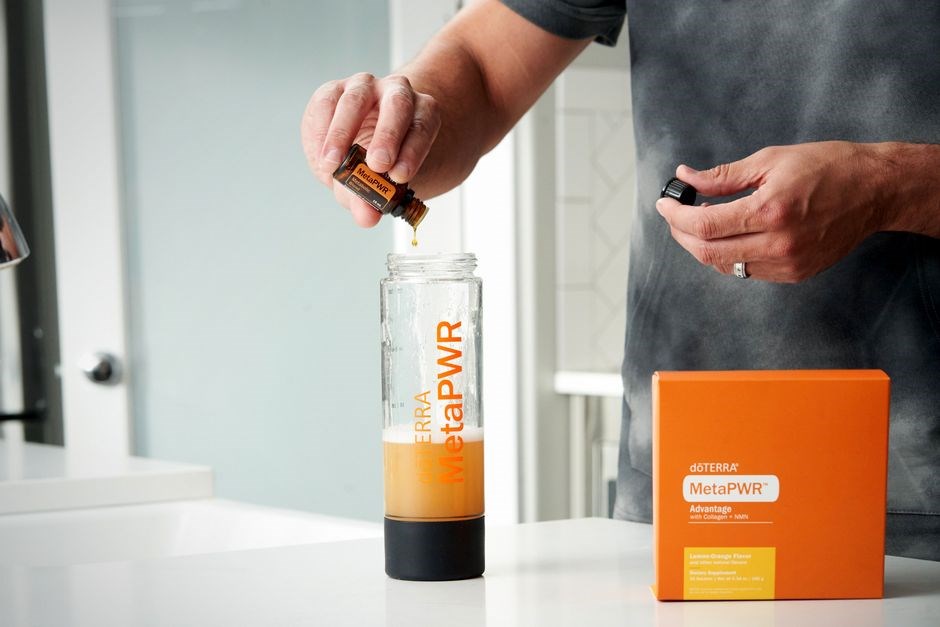
Start by writing clear‚ measurable goals that match the Isagenix 9‑Day Cleanse. Decide what you want to achieve—lose weight‚ improve digestion‚ or boost energy. Break each goal into daily checkpoints‚ such as “drink 2 L water by Day 3” or “complete the protein shake on Day 5.” Use the PDF’s suggested metrics to track progress: weigh‑in‚ body‑fat percentage‚ or how you feel after each meal. Set realistic timelines; the cleanse lasts nine days‚ so avoid over‑ambitious targets that could lead to disappointment. Write goals on a sticky note and place it where you’ll see it daily. Reflect each evening on what worked and what didn’t‚ noting any emotional or physical cues that signal progress or resistance. Celebrate small victories—like finishing a low‑carb meal or feeling less bloated—to build momentum. By setting clear‚ attainable objectives‚ you’ll create a roadmap that keeps you focused‚ motivated‚ and accountable throughout the cleanse. Remember‚ the journey is as important as the destination‚ so treat each day as a step toward lasting wellness.
To keep motivation high‚ schedule short daily reflections‚ noting any changes in mood or energy. Share your progress with a friend or online community for accountability. Stay hydrated by carrying a water bottle and sipping throughout the day. Listen to your body; if you feel lightheaded‚ take a break and rest. Remember to breathe deeply during meals to aid digestion. Keep a journal to record thoughts‚ cravings‚ and successes. This documentation helps you see patterns and adjust future plans accordingly. Enjoy.!!

2.3 Gathering Supplies and Scheduling Time
Before you begin the Isagenix 9‑Day Cleanse‚ assemble the items listed in the PDF’s shopping list. You’ll need protein powder‚ low‑carb snacks‚ a reusable water bottle‚ and a journal for tracking. Organize the pantry so that clean‑sew ingredients are within arm’s reach‚ reducing temptation to stray. Store the protein mix in a cool‚ dry place and keep a separate container for the daily shakes.
Next‚ block out your calendar. The cleanse requires dedicated meal times‚ so schedule breakfast‚ lunch‚ and dinner slots on each day. Use a digital calendar or a printed planner‚ marking the 9‑day window. Add reminders for water intake—set a timer for 30‑minute intervals to keep hydration consistent. If you work‚ plan a short break for a walk or stretching to boost circulation.
Allocate a quiet space for the daily journal entries. Write down mood‚ appetite‚ and any physical sensations. This routine helps you stay present and notice subtle shifts. Keep the journal on a stand or a small table so you can glance at it while sipping your shake. Finally‚ set a nightly wind‑down ritual: dim lights‚ light a candle‚ and review the day’s progress. This consistency builds a supportive environment for the cleanse to thrive. Remember to adjust portion sizes based on your energy needs and to keep a log of cravings that arise‚ noting the time trigger. This habit reinforces awareness helps you make mindful choices throughout the cleanse.
Step-by-Step 9-Day Schedule
Day 1 begins with a protein shake‚ followed by a low‑carb lunch. Each day alternates between protein‑rich meals and hydration boosts‚ ensuring steady energy. Track progress in a journal‚ note cravings‚ and adjust portions as needed to maintain balance. Hydrate 2–3 liters now
During the first three days of the Isagenix 9‑Day Cleanse‚ the focus is on protein and hydration. Each day starts with a 20‑gram protein shake and a balanced lunch of lean protein and greens. The goal is to keep blood sugar stable and support gentle detox. Aim for 2.5 to 3 liters of water daily‚ plus herbal teas and electrolytes. This supports cellular repair‚ reduces cravings‚ and promotes steady metabolism. Log meals and water to monitor progress and adjust portions if needed. By day three‚ you’ll feel more energized‚ with clearer skin and smoother digestion. Protein preserves muscle mass‚ while hydration flushes toxins and aids kidney function. Stay consistent‚ listen to your body‚ and prepare for the low‑carb transition.
After establishing a solid protein foundation‚ the next step is to fine‑tune hydration. Add electrolytes such as magnesium‚ potassium‚ and sodium to balance fluid levels and support nerve function. A pinch of sea salt or low‑sodium electrolyte powder helps prevent headaches and muscle cramps. Limit caffeine to one cup of black coffee or herbal tea per day‚ as stimulants can dehydrate the body. Monitor skin clarity and energy; a clearer complexion often signals toxin removal. Keep a simple log of changes in mood or digestion and adjust liquids accordingly. By day three‚ you should notice a lift in vitality and smoother digestion‚ readying you for the low‑carb transition.
Remember to breathe deeply‚ stay mindful‚ and celebrate wins each day. This routine builds habits that wellness.

During days four through six‚ the cleanse moves into a low‑carb phase‚ emphasizing nutrient‑dense foods while limiting refined sugars. The daily routine begins with a protein‑rich breakfast‚ such as a veggie‑filled omelet or a Greek‑style yogurt parfait with nuts; Mid‑morning‚ a small snack of sliced cucumber or a handful of almonds keeps hunger at bay. Lunch centers on leafy greens‚ grilled chicken‚ or tofu‚ topped with olive oil and a splash of lemon. Dinner features steamed or roasted vegetables paired with a lean protein source‚ ensuring a balanced macro profile. Hydration remains a priority; aim for 2.5 to 3 liters of water‚ supplemented by herbal teas and a pinch of sea salt to maintain electrolyte balance. Tracking food intake and noting energy levels helps fine‑tune portions. This phase supports sustained weight loss‚ improves insulin sensitivity‚ and encourages the body to burn stored fat for fuel. By the end of day six‚ participants often report clearer skin‚ steadier energy‚ and a deeper sense of detoxification.
Participants should also monitor sleep quality‚ aiming for 7–8 hours nightly to support metabolic recovery. Light exercise‚ such as walking or gentle yoga‚ can enhance circulation without overtaxing the body. Avoid processed foods entirely‚ and replace sugary drinks with infused water or herbal infusions. Keep a simple journal noting mood shifts‚ cravings‚ and any digestive changes. This reflective practice helps personalize the cleanse and ensures that the transition remains sustainable and enjoyable for the remainder of the program. Stay hydrated. Now
3.3 Days 7–9: Maintenance and Reintroduction
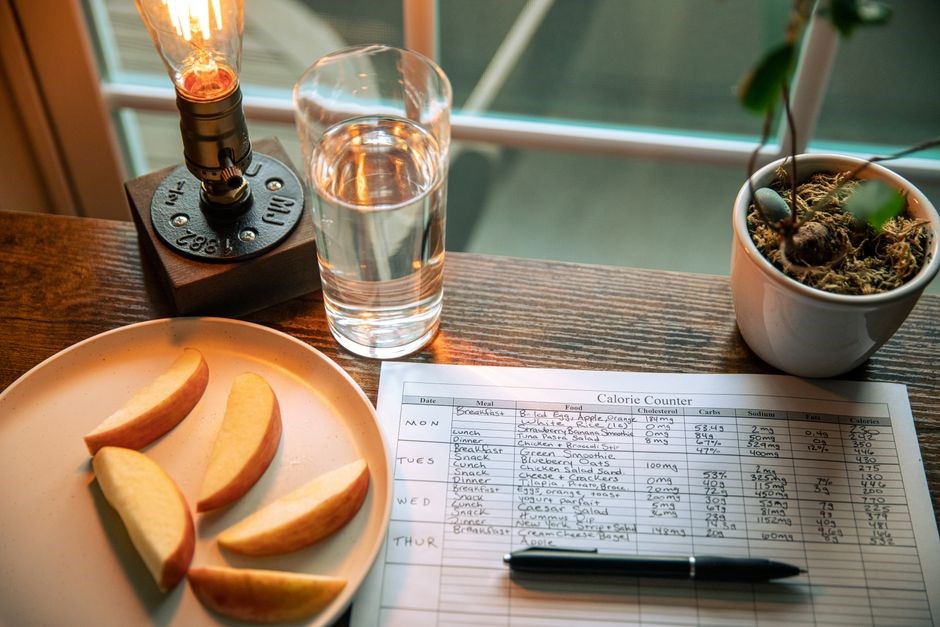
Days seven through nine mark the transition from strict cleansing to a more balanced routine. The focus shifts to maintaining the metabolic benefits while gradually reintroducing complex carbohydrates and healthy fats. Breakfasts remain protein‑heavy‚ featuring eggs or Greek yogurt‚ but you can add a small portion of oats or quinoa for sustained energy. Mid‑morning snacks may include a piece of fruit or a handful of nuts‚ keeping blood sugar stable. Lunches incorporate lean proteins with a generous serving of vegetables‚ and a modest amount of whole grains like brown rice or barley. Dinner options continue to emphasize vegetables and lean meats‚ with optional additions of avocado or olive oil for healthy fats. Hydration stays high‚ aiming for 2.5 to 3 liters of water daily‚ supplemented by herbal teas. Light exercise‚ such as brisk walking or gentle cycling‚ is encouraged to support circulation and aid digestion. Throughout these final days‚ keep a food diary to track cravings and energy levels‚ allowing you to adjust portions as needed. The goal is to solidify new habits‚ ensuring that the body remains in a state of efficient nutrient utilization and reduced inflammation. By the end of day nine‚ you should feel lighter‚ more energetic‚ and ready to sustain a healthier lifestyle beyond the cleanse.
Remember to listen to your body; if cravings arise‚ replace sugary snacks with berries or a small portion of dark chocolate. Stay hydrated‚ aim for 7–8 hours sleep‚ and keep your water bottle close. Celebrate victories and stay committed to the healthier routine you’ve cultivated.

Frequently Asked Questions & Troubleshooting
Common questions include: Why do I feel tired? It’s due to detox; how long should I drink water? Aim for 2.5–3L/day; can I exercise? Light activity is fine; what if I crave sugar? Replace with fruit or nuts. If headaches persist‚ consult a professional. Remember to hydrate‚ rest‚ and track progress for best results.
4.1 Common Side Effects and Management
During the 9‑day cleanse‚ many participants report mild side effects such as headaches‚ fatigue‚ dizziness‚ or mild nausea. These symptoms are typically a result of the body adjusting to a lower carbohydrate intake and increased water loss. To manage headaches‚ sip warm water or herbal tea and rest in a quiet‚ dimly lit space. Fatigue can be mitigated by ensuring adequate sleep‚ taking short walks‚ and consuming the recommended protein shakes. Dizziness often resolves with a slow transition to standing‚ staying hydrated‚ and eating small‚ balanced meals. Mild nausea may be eased by sipping ginger tea‚ eating bland foods like toast or bananas‚ and avoiding strong odors. If any symptom persists beyond 48 hours or worsens‚ pause the cleanse‚ consult a healthcare professional‚ and consider adjusting fluid intake or the timing of protein shakes. Maintaining a consistent routine‚ staying hydrated‚ and listening to your body are key to a safe and successful cleanse experience.
When experiencing dizziness‚ sit or lie down for a few minutes‚ sip a glass of water‚ and avoid sudden position changes. For nausea‚ chew a small piece of ginger or consume a light broth. If headaches persist‚ try a warm compress on the temples or practice gentle breathing exercises. Remember to keep a log of your symptoms‚ noting intensity and triggers‚ which can help tailor the cleanse to your body’s signals. Should you encounter severe discomfort‚ discontinue the program and seek medical advice promptly.
Additionally‚ always listen to your body and adjust the cleanse pace if needed. stay mindful.